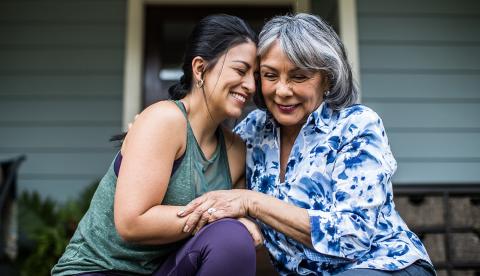
Do you feel like a sandwich? No, not turkey, ham or roast beef, but rather that you are “sandwiched” between two groups of people that you both love and care for, but who may ultimately leave you with the feelings of being stressed, overwhelmed, or exhausted. Or maybe you feel the responsibility of being a caregiver in roles that are outside of the family. Whatever the relationship may be, caregiving can easily lead to the feelings mentioned above if one does not actively take steps to prevent burnout.
It can be challenging to take steps to take care of oneself when there is a feeling that the priority is to take care of someone else, not to mention the added obligations of everyday life such as work and finances. However, how is one going to be able to care for another when feeling depleted? Feelings of burnout can often be linked to those of anxiety and depression such as loss of interest in activities, change in sleep habits, and increased irritability to name a few.
Taking the first steps to focus the attention on oneself even; however, is necessary for the good of the caregiver, and the people whom they are caring for. A key skill to utilize for prevention and management of caregiver fatigue is the utilization of support. This can come in many different forms such as speaking to a trusted friend or family member, joining a caregiver support group, or speaking to a counselor who can help process the feelings and experiences that are occurring. It is important to take time each day to care for yourself to ensure your needs are being met. By taking time to care for oneself you can take the steps to prevent and treat burnout.
Source:
Cleveland Clinic. (n.d.). Caregiver Burnout; Causes, Symptoms & Prevention. Retrieved December 14, 2020 from,
https://my.clevelandclinic.org/health/diseases/9225-caregiver-burnout
Picture:
Copyright: MoMo Productions/Getty Images