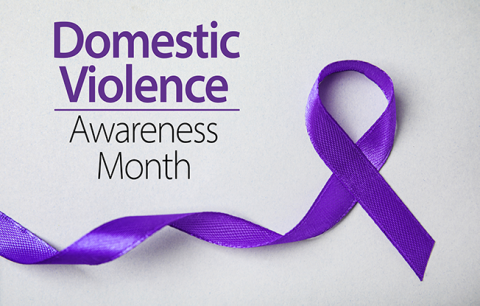
Understanding Domestic Violence
Domestic violence is a pattern of behaviors used to gain or maintain power and control over a partner or family member. It can take many forms, including:
- Physical abuse – hitting, pushing, or other physical harm
- Emotional abuse – insults, threats, humiliation, or controlling behavior
- Financial abuse – restricting access to money or resources
- Digital abuse – monitoring or controlling phone, email, or social media use
Anyone can experience domestic violence, regardless of gender, age, or background.
Warning Signs
The National Domestic Violence Hotline notes that even one or two of the following behaviors in a relationship is a red flag that abuse may be present:
- Constant criticism or telling you that you “never do anything right”
- Extreme jealousy of your friends, family, or time apart
- Preventing or discouraging contact with loved ones
- Insulting, demeaning, or shaming you, especially in public
- Controlling major decisions, such as work or school
- Taking your money or withholding funds for basic needs
- Pressuring you into unwanted sexual activity
- Forcing or pressuring you to use drugs or alcohol
- Using threats, intimidation, or menacing actions
If someone you know may be experiencing abuse, you might notice:
- Anxiety, fearfulness, or withdrawal
- Frequent absences from work or difficulty focusing
- Excuses for injuries or wearing clothing to hide them
- Increasing isolation from friends, family, or coworkers
How You Can Help Yourself or Others
- If you are experiencing abuse: Remember it is not your fault. Help and support are available. Create a safety plan if possible—such as identifying a safe place to go, keeping important documents accessible, and knowing who you can call in an emergency.
- If you are concerned about someone else: Approach with care and compassion. Say, “I’m concerned about you. I’m here if you want to talk.” Avoid judgment, pressure, or giving ultimatums. Listen without interrupting, and respect their choices, even if they are not ready to take action.
- In emergencies: Call 911 immediately. Your safety and the safety of others always come first.
Reference: National Domestic Violence Hotline. https://www.thehotline.org/.
Additional Resources
Your Employee Assistance Program (EAP)
Call your EAP at the number listed below 24/7/365 for support and linkage to local grief counselors and support groups.
National Domestic Violence Hotline
1.800.799.SAFE (7233)
Text “Start” to 88788
www.thehotline.org for information, live chat, and resources
WomensLaw
Provides information that is relevant to all victims and survivors. Their Email Hotline provides basic legal information, referrals, and emotional support related to domestic violence, sexual assault, or stalking.
https://www.womenslaw.org/