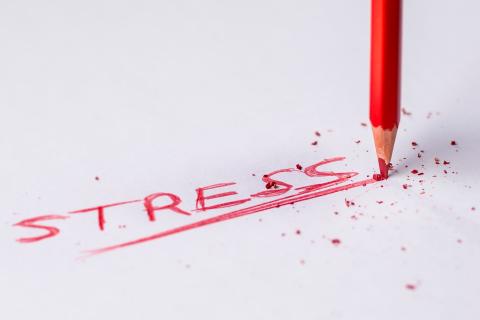
What is stress? Stress is the body’s reaction to pressure from a certain situation or event. Stress can be physical, mental, or an emotional reaction. There 2 types of stress: positive stress (called eustress or good stress) and negative stress (called distress or bad stress). Positive stress may occur during the anticipation of an event such as an upcoming wedding or holiday, with feelings of butterflies in the stomach or sweaty palms. Negative stress occurs when stress levels are either too high or too low causing the body and mind to respond negatively. If negative stress becomes persistent, all parts of the body’s stress system (the brain, heart, lungs, vessels, and muscles) become chronically over-or under-activated causing physical or psychological damage. Research has shown that stress can negatively impact overall health.
There are healthy ways to combat stress. Consider these healthy ways to combat stress before it gets to be too much.
- Keep active: Regular physical activity can help lower stress and anxiety.
- Hit the snooze button: Aim for 7 to 9 hours of sleep each night.
- Laugh: Laughter relieves stress response and tension.
- Limit caffeine: Caffeine is a stimulant found in coffee, tea, chocolate, and energy drinks; high doses can increase anxiety.
- Get organized: Make a TO DO list, focus on most important tasks first and take big projects one step at a time.
- Get connected: Make time to call friends or family.
- Take a pause: A change of scenery or a change of pace can help with stress.
- Write it down: Identify and document stress. Focus on what is positive rather than the negative.
Remember combating stress starts with a healthy strategy. Like juggling multiple balls, combating stress must be planned and practiced to develop healthy ways to adapt to life’s stressful events.
Resource: 5 Ways to Manage Stress (acefitness.org)
Photo by Pedro Figueras from Pexels