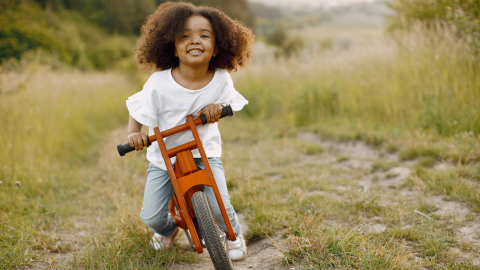
The benefits of green spaces extend beyond adults, significantly impacting children's mental health and development. Research indicates that children who have regular access to natural environments exhibit improved emotional well-being, cognitive development, and social skills. The immersive experience of nature can play a crucial role in their formative years, fostering resilience and a love for the environment.
Benefits for Children's Mental Health
- Emotional and Psychological Well-Being:
- Reduced Stress and Anxiety: Exposure to green spaces helps lower stress and anxiety levels in children. Nature's calming effect provides a soothing environment that can help children feel more relaxed and less overwhelmed.
- Improved Mood: Regular interaction with nature is associated with increased levels of happiness and a positive mood. The sensory experiences offered by natural settings can boost serotonin levels, promoting overall mental health.
- Cognitive Development:
- Enhanced Attention and Focus: Natural settings encourage exploration and curiosity, which can improve attention spans and concentration. Studies have shown that children with ADHD benefit from time spent in green spaces, exhibiting reduced symptoms and better focus.
- Creativity and Imagination: Outdoor play stimulates creative thinking and problem-solving skills. Unstructured playtime in nature allows children to use their imagination, fostering cognitive flexibility and innovation.
- Social Skills and Physical Health:
- Better Social Interaction: Green spaces provide opportunities for children to interact and play together, enhancing their social skills and ability to cooperate and share.
- Physical Activity: Engaging in physical activities in natural environments promotes physical health, which is closely linked to mental well-being. Active play in nature helps children develop motor skills and build stronger bodies.
Forest Schools and Cultural Practices
Forest Schools:
Forest schools are a growing educational movement that originated in Scandinavia and has spread to various parts of the world. These schools emphasize outdoor, nature-based learning, where children spend significant portions of their school day in natural settings, regardless of weather conditions.
- Hands-On Learning: Children engage in hands-on activities such as building shelters, identifying plants and animals, and navigating natural terrains. This immersive experience enhances their understanding of the environment and promotes practical life skills.
- Emotional Resilience: The challenges and adventures encountered in forest schools help build emotional resilience and self-confidence. Children learn to assess risks, solve problems, and develop a sense of independence.
Cultural Practices:
Several cultures prioritize outdoor time for young children as an essential part of their upbringing and education.
- Scandinavia: In countries like Sweden, Norway, and Denmark, the concept of Friluftsliv (open-air living) is integral to everyday life. Children in these countries are encouraged to spend ample time outdoors, engaging in activities that connect them with nature from a young age.
- Japan: The practice of Shinrin-yoku (forest bathing) is adapted for children through guided nature walks and outdoor educational programs that emphasize mindfulness and sensory engagement.
- New Zealand: The Māori tradition of respecting and living in harmony with nature is embedded in the educational system, where children participate in outdoor learning and environmental stewardship activities.
What Green Spaces Mean for Children’s Development
Integrating green spaces into children's daily lives is crucial for their mental and physical development. Forest schools and cultural practices that emphasize outdoor time provide valuable lessons in resilience, creativity, and environmental stewardship. By fostering a strong connection with nature from an early age, we can ensure that future generations grow up healthier, happier, and more attuned to the natural world. Encouraging outdoor play and nature immersion is not just beneficial but essential for the holistic development of children.